Category: Newsletters
YML Insight August 2015
From Your Trusted Accountant
Is cloud accounting really worth all the hype?
The number of small business owners switching to cloud computing is expected to double in the next six years, according to a new US study from Emergent Research. That’s a massive increase from 37% to 80% – and here are six reasons it’s worth joining that 80% in the cloud.
- Improved bookkeeping
Easy access, multi-level management, and vital record keeping all in a one-stop shop. Moving to the cloud will help you manage payroll tax, transactions, client details, inventory and other accounting records. Automate payment of taxes and invoices with ease. - Multi-user access
Collaborate on projects, manage content and share documents with multiple users in the cloud. Edit documents secure in the knowledge that all updated data and document history remains current and easily accessible from anywhere with an internet connection. - Security and data recovery
Servers crash. Malware and viruses attack networks. USBs and portable drives get lost. Internal systems get gutted by fire or water damage. Don’t become complacent about data security – lessen your risk with the cloud. Your data will be secure under industry best practice, 512-bit SSL encryption, and regular data back-ups; so in case of disaster you can instantly recover a recent system back up. - Storage
Gone are the days of constantly upgrading your groaningly full storage systems and predicting your required network data. Agile cloud systems store your data and expand as need demands. Efficiently access files, create your own data retention policies, and institute your preferred data management system with the cloud. - Scalability
Cloud systems are without boundaries – expand or shrink on the needs of your business, and add more resources into the cloud without a costly refit of IT systems. - Save on resources
Low costs, increased efficiency, and automatic free software updates means, with the cloud, you only pay for what you use. Your IT costs will drop because the cloud operator is responsible for the functionality of the cloud. Reduce your operational costs; streamline your business processes, while allowing your employees the same advantages of big business, without the operational costs. Create a level playing field, with the cloud.
If you’re looking to move to the cloud, or want a cloud accountant, contact us.
From Your Financial Adviser
I am over 40, what should I be thinking about to safeguard my future financially?
This is an excellent time for consolidation of all your hard work and assets. Try our over-40 financial security checklist, and see how you measure up. Do you….
- Have a savvy financial adviser?
Your financial adviser should be an expert in your particular investment interests and goals, unpick the trends, and maximise your investment strategies. Meet regularly, and always check ASIC records to verify your advisor has the right qualifications and track record. - Have an innovative accountant?
Ensure your accountant is a partner in wealth creation, legitimately minimizing your taxes and creating extra revenue streams through strategies such as super fund investment. If your current accountant doesn’t match up, consider moving on. - Have a debt reduction plan?
This is crucial. Start paying cash wherever possible. Aim to keep all credit cards at zero each month. Plan to work off all other existing debts, such as mortgages, and prioritise in terms of which has the highest interest rates. - Maintain your assets?
Stocktake your existing assets, and then keep them in excellent condition. This covers everything from your house and car to any articles of high value that you’ve identified are assets unlikely to greatly depreciate. - Have an emergency fund?
Keep it stocked up and accessible. Budget a small amount of money each week into the fund so you’re covered for any unforeseen medical or other emergencies. - Understand super performance?
Understand how much money you will require to retire comfortably, in the lifestyle you desire. Make sure you understand your super investment products, and regularly monitor your account to ensure it is meeting your goals. Consolidate your super in the best product so you’re not paying fees for multiple unsuitable funds. Finally, think about setting up a self-managed super fund (SMSF). With the right advice and investment strategies, an SMSF can be tailored to suit your goals. - Have multiple income streams for retirement?
Which of your long-term investment products will be ripe for yield in twenty years? Diversify wherever possible, such as holding stock options as well as real estate. Look at what equity you can draw upon. Sometimes the modest but regular yearly turnover may be preferable to the high yielding but inconsistent product when planning for retirement. - Have a business succession plan?
If you own a business it’s a good idea to start thinking about how it will tick over once you retire. Start thinking about a likely successor, and consolidating the business so its structure won’t be shaken up by your departure.
If you said yes to more than four of these, then you’re well on your way to being financially secure. If not, this checklist will act as a helpful guide to find where the gaps currently lie in safeguarding your future.
From Your Finance Specialist
What are my options for borrowing to invest in the property market?
Whether you’re a homeowner, an experienced investor, a business owner, or all of the above, you may be thinking about expanding your real estate portfolio. You already know there are many things to consider when investing in property, but we can offer a few tips to enlighten and lighten the stress of buying property.
If you are in the market to borrow and buy an investment property, you may be aware that most lenders have reduced their LVR (Loan to Value Ratio) forcing investors to come up with a bigger deposit. If this is an issue that concerns you, there is still good news. Options are always available to make your financial goals work, despite any hurdles that may present themselves.
- You could save for a larger deposit. This might seem daunting, but the professionals at YML Group can assist you to assess your finances.
- You could buy a property using up to 20% of a parent/s’ property as a security. This is a decision that requires thought and consideration, and of course, a willing parent!
- If you already own a property, you could increase your equity in that property by making bigger monthly payments. By increasing your monthly payments to above the minimum amount, you could save yourself paying additional mortgage insurance.
- If you have a high limit on your credit card that goes consistently unused, it can be a good idea to reduce the limit on your credit card. If you have multiple cards, it’s also a smart plan to assess the limits, how often you use the cards, and whether you need multiple accounts. Lenders consider the limit on your credit card, not the actual debt, when assessing your request for finance.
For more information, tips, and financial guidance, give the finance specialists at YML Group a call. We’ll be happy to talk you through the process of investing in the property market.
YML Insight August 2015
From Your Trusted Accountant
Is cloud accounting really worth all the hype?
The number of small business owners switching to cloud computing is expected to double in the next six years, according to a new US study from Emergent Research. That’s a massive increase from 37% to 80% – and here are six reasons it’s worth joining that 80% in the cloud.
- Improved bookkeeping
Easy access, multi-level management, and vital record keeping all in a one-stop shop. Moving to the cloud will help you manage payroll tax, transactions, client details, inventory and other accounting records. Automate payment of taxes and invoices with ease. - Multi-user access
Collaborate on projects, manage content and share documents with multiple users in the cloud. Edit documents secure in the knowledge that all updated data and document history remains current and easily accessible from anywhere with an internet connection. - Security and data recovery
Servers crash. Malware and viruses attack networks. USBs and portable drives get lost. Internal systems get gutted by fire or water damage. Don’t become complacent about data security – lessen your risk with the cloud. Your data will be secure under industry best practice, 512-bit SSL encryption, and regular data back-ups; so in case of disaster you can instantly recover a recent system back up. - Storage
Gone are the days of constantly upgrading your groaningly full storage systems and predicting your required network data. Agile cloud systems store your data and expand as need demands. Efficiently access files, create your own data retention policies, and institute your preferred data management system with the cloud. - Scalability
Cloud systems are without boundaries – expand or shrink on the needs of your business, and add more resources into the cloud without a costly refit of IT systems. - Save on resources
Low costs, increased efficiency, and automatic free software updates means, with the cloud, you only pay for what you use. Your IT costs will drop because the cloud operator is responsible for the functionality of the cloud. Reduce your operational costs; streamline your business processes, while allowing your employees the same advantages of big business, without the operational costs. Create a level playing field, with the cloud.
If you’re looking to move to the cloud, or want a cloud accountant, contact us.
From Your Financial Adviser
I am over 40, what should I be thinking about to safeguard my future financially?
This is an excellent time for consolidation of all your hard work and assets. Try our over-40 financial security checklist, and see how you measure up. Do you….
- Have a savvy financial adviser?
Your financial adviser should be an expert in your particular investment interests and goals, unpick the trends, and maximise your investment strategies. Meet regularly, and always check ASIC records to verify your advisor has the right qualifications and track record. - Have an innovative accountant?
Ensure your accountant is a partner in wealth creation, legitimately minimizing your taxes and creating extra revenue streams through strategies such as super fund investment. If your current accountant doesn’t match up, consider moving on. - Have a debt reduction plan?
This is crucial. Start paying cash wherever possible. Aim to keep all credit cards at zero each month. Plan to work off all other existing debts, such as mortgages, and prioritise in terms of which has the highest interest rates. - Maintain your assets?
Stocktake your existing assets, and then keep them in excellent condition. This covers everything from your house and car to any articles of high value that you’ve identified are assets unlikely to greatly depreciate. - Have an emergency fund?
Keep it stocked up and accessible. Budget a small amount of money each week into the fund so you’re covered for any unforeseen medical or other emergencies. - Understand super performance?
Understand how much money you will require to retire comfortably, in the lifestyle you desire. Make sure you understand your super investment products, and regularly monitor your account to ensure it is meeting your goals. Consolidate your super in the best product so you’re not paying fees for multiple unsuitable funds. Finally, think about setting up a self-managed super fund (SMSF). With the right advice and investment strategies, an SMSF can be tailored to suit your goals. - Have multiple income streams for retirement?
Which of your long-term investment products will be ripe for yield in twenty years? Diversify wherever possible, such as holding stock options as well as real estate. Look at what equity you can draw upon. Sometimes the modest but regular yearly turnover may be preferable to the high yielding but inconsistent product when planning for retirement. - Have a business succession plan?
If you own a business it’s a good idea to start thinking about how it will tick over once you retire. Start thinking about a likely successor, and consolidating the business so its structure won’t be shaken up by your departure.
If you said yes to more than four of these, then you’re well on your way to being financially secure. If not, this checklist will act as a helpful guide to find where the gaps currently lie in safeguarding your future.
From Your Finance Specialist
What are my options for borrowing to invest in the property market?
Whether you’re a homeowner, an experienced investor, a business owner, or all of the above, you may be thinking about expanding your real estate portfolio. You already know there are many things to consider when investing in property, but we can offer a few tips to enlighten and lighten the stress of buying property.
If you are in the market to borrow and buy an investment property, you may be aware that most lenders have reduced their LVR (Loan to Value Ratio) forcing investors to come up with a bigger deposit. If this is an issue that concerns you, there is still good news. Options are always available to make your financial goals work, despite any hurdles that may present themselves.
- You could save for a larger deposit. This might seem daunting, but the professionals at YML Group can assist you to assess your finances.
- You could buy a property using up to 20% of a parent/s’ property as a security. This is a decision that requires thought and consideration, and of course, a willing parent!
- If you already own a property, you could increase your equity in that property by making bigger monthly payments. By increasing your monthly payments to above the minimum amount, you could save yourself paying additional mortgage insurance.
- If you have a high limit on your credit card that goes consistently unused, it can be a good idea to reduce the limit on your credit card. If you have multiple cards, it’s also a smart plan to assess the limits, how often you use the cards, and whether you need multiple accounts. Lenders consider the limit on your credit card, not the actual debt, when assessing your request for finance.
For more information, tips, and financial guidance, give the finance specialists at YML Group a call. We’ll be happy to talk you through the process of investing in the property market.
YML Insight July 2015
In today’s meeting the Reserve Bank of Australia (RBA) decided to leave the cash rate unchanged at 2.00 per cent.
You’ve known us for years as Yoav Mark Lewis Chartered Accountants or as Acctpro, but we are proud to commence the new financial year as our new brand, YML Group.
This year marks our 22-year business anniversary – 22 years, and now, a fresh new look. We started the business as a chartered accounting firm and today we are so proud to have grown this business into a comprehensive financial services organisation.
Many of you have come to know us through a single service – and we’re betting you’ve never realised that we offer so much more.
At YML Group, we’re proud to offer our clients expert advice on Accounting, Tax, Financial Planning, Super Solutions, and Business Services & Finance. Managing individuals and SME companies, YML’s dynamic team can assist you to reach your financial goals and maintain long-term financial success. We address our client’s needs holistically, and our information sharing practices ensures that we offer due consideration to all aspects of your individual and often unique financial situations.
YML Group is now built on five specialised divisions – meaning we offer individualised, integrated plans to satisfy any financial service you may require. If you’d like to learn a little more about YML Group, check out our short video here
We can assist you with:
[ezcol_2third]
Finance
- Arrange a Personal, Car, Residential or Commercial loan with YML
- Negotiate, refinance, and consolidate your financial position
- Discuss your financial security and Superannuation plan
[/ezcol_2third]
[ezcol_1third_end]

[/ezcol_1third_end]
[ezcol_2third]
Business services
- Boost your Financial Performance
- Develop your Performance Management and Strategic Planning needs
- Assess your business Risk Management strategy
[/ezcol_2third]
[ezcol_1third_end]
[/ezcol_1third_end]
[ezcol_2third]
Financial planning
- Develop your personalised portfolio and wealth creation strategy
- Plan for your retirement, make your estate arrangements
- Maximise your Superannuation, and insure against the unexpected
[/ezcol_2third]
[ezcol_1third_end]
[/ezcol_1third_end]
[ezcol_2third]
Super solutions
- Develop your ideal investment plan, self-manage your super, and succeed with YML
- Learn how your super can buy you property
- Manage your audit, administration, and tax reporting
[/ezcol_2third]
[ezcol_1third_end]
[/ezcol_1third_end]
[ezcol_2third]
Chartered accountants
- Plan, prepare, and lodge your tax returns with YML, advice included
- Overseas investor? We manage international tax, and connect businesses to Australia
- Our accountants cover all business needs, from Audits and Company Secretarial to business programs, valuations, and financial statements
[/ezcol_2third]
[ezcol_1third_end]
[/ezcol_1third_end]
[ezcol_2third]
Our company’s recent name change and rebranding process means we may look a little different to you. You’ll notice changes to our look – from our stationery suite to our office signage and of course, our website
We’re excited about these changes, and we hope you are too – take a look and let us know what you think!
We’ll be offering all sorts of useful tips on our facebook page, plus you can check out the photos from our recent Launch Event (25/6). Like and share our Facebook page – we promise, you’ll be glad you did.
We’d also like to extend a warm welcome to Judy Swan, the newest addition to the YML family.
Judy Swan, principal solicitor and notary public, has joined YML Group to head up the YML Legal division – this is a great complimentary service to our financial services’. Welcome Judy! We look forward to a long and prosperous partnership.
As always, we know we wouldn’t be here today without you. YML Group would like to thank you for your loyalty, support, and partnership over the years. We look forward to doing some great business together in the coming months and years!
The YML Team
[/ezcol_2third]
[ezcol_1third_end]
+61 2 8383 4400
info@ymlgroup.com.au
www.ymlgroup.com.au
Turning Vision into Value
[/ezcol_1third_end]
YML Insight July 2015
In today’s meeting the Reserve Bank of Australia (RBA) decided to leave the cash rate unchanged at 2.00 per cent.
You’ve known us for years as Yoav Mark Lewis Chartered Accountants or as Acctpro, but we are proud to commence the new financial year as our new brand, YML Group.
This year marks our 22-year business anniversary – 22 years, and now, a fresh new look. We started the business as a chartered accounting firm and today we are so proud to have grown this business into a comprehensive financial services organisation.
Many of you have come to know us through a single service – and we’re betting you’ve never realised that we offer so much more.
At YML Group, we’re proud to offer our clients expert advice on Accounting, Tax, Financial Planning, Super Solutions, and Business Services & Finance. Managing individuals and SME companies, YML’s dynamic team can assist you to reach your financial goals and maintain long-term financial success. We address our client’s needs holistically, and our information sharing practices ensures that we offer due consideration to all aspects of your individual and often unique financial situations.
YML Group is now built on five specialised divisions – meaning we offer individualised, integrated plans to satisfy any financial service you may require. If you’d like to learn a little more about YML Group, check out our short video here
We can assist you with:
[ezcol_2third]
Finance
- Arrange a Personal, Car, Residential or Commercial loan with YML
- Negotiate, refinance, and consolidate your financial position
- Discuss your financial security and Superannuation plan
[/ezcol_2third]
[ezcol_1third_end]
[/ezcol_1third_end]
[ezcol_2third]
Business services
- Boost your Financial Performance
- Develop your Performance Management and Strategic Planning needs
- Assess your business Risk Management strategy
[/ezcol_2third]
[ezcol_1third_end]
[/ezcol_1third_end]
[ezcol_2third]
Financial planning
- Develop your personalised portfolio and wealth creation strategy
- Plan for your retirement, make your estate arrangements
- Maximise your Superannuation, and insure against the unexpected
[/ezcol_2third]
[ezcol_1third_end]
[/ezcol_1third_end]
[ezcol_2third]
Super solutions
- Develop your ideal investment plan, self-manage your super, and succeed with YML
- Learn how your super can buy you property
- Manage your audit, administration, and tax reporting
[/ezcol_2third]
[ezcol_1third_end]
[/ezcol_1third_end]
[ezcol_2third]
Chartered accountants
- Plan, prepare, and lodge your tax returns with YML, advice included
- Overseas investor? We manage international tax, and connect businesses to Australia
- Our accountants cover all business needs, from Audits and Company Secretarial to business programs, valuations, and financial statements
[/ezcol_2third]
[ezcol_1third_end]
[/ezcol_1third_end]
[ezcol_2third]
Our company’s recent name change and rebranding process means we may look a little different to you. You’ll notice changes to our look – from our stationery suite to our office signage and of course, our website
We’re excited about these changes, and we hope you are too – take a look and let us know what you think!
We’ll be offering all sorts of useful tips on our facebook page, plus you can check out the photos from our recent Launch Event (25/6). Like and share our Facebook page – we promise, you’ll be glad you did.
We’d also like to extend a warm welcome to Judy Swan, the newest addition to the YML family.
Judy Swan, principal solicitor and notary public, has joined YML Group to head up the YML Legal division – this is a great complimentary service to our financial services’. Welcome Judy! We look forward to a long and prosperous partnership.
As always, we know we wouldn’t be here today without you. YML Group would like to thank you for your loyalty, support, and partnership over the years. We look forward to doing some great business together in the coming months and years!
The YML Team
[/ezcol_2third]
[ezcol_1third_end]
+61 2 8383 4400
info@ymlgroup.com.au
www.ymlgroup.com.au
Turning Vision into Value
[/ezcol_1third_end]
6 Things that Work Better in The Cloud
6 Things that Work Better in The Cloud

Is all the fuss about cloud computing really an indication of its popularity or worth? A new study by Emergent Research has found that the percentage of small businesses in the US expected to use cloud-based systems will more than double in the next six years, from 37% to 80%. That’s quite an increase, and shows just how prevalent cloud computing is becoming. Here are six reasons why it’s worth considering moving to the cloud.
- Improved bookkeeping
A cloud system allows easy access and multi-level management of things such as payroll tax, transactions, client details, inventory and other accounting records. Cloud accounting systems, such as those used by Xero accountants, can automatically be set to pay taxes or invoices at a date that suits. This makes for a versatile one-stop-shop where the cloud system stores vital records, as well as allows alerts and payments to be set up and automated.
- Multi-user access
The cloud allows access for any number of users to collaborate on projects, manage content and share documents. All editing of documents can be easily tracked in the history, and all updated data remains current and easily accessible from anywhere there is an internet connection.
- Security and data recovery
It’s easy to become complacent about security and the safety of data, but it’s worth remembering that portable drives can be lost or stolen. Servers can crash. Networks can be attacked by malware or viruses. Electrical fires or water damage can gut a whole internal system.
These issues become much less risky with the cloud. Good cloud providers will regularly upgrade security in line with industry best practice, and will ideally offer 512-bit SSL encryption for safety. They will regularly back up all your data according to the needs of your business, so in case of disaster you’ll be able to instantly recover a recent system back up.
- Storage
Storage is a major draw card for cloud systems. Remember the dark days of having to constantly upgrade your groaningly full storage systems? Or trying to predict how much data your network is likely to chew through for the next financial year? Or having to keep re-allocating resources for archiving records?
Agile cloud systems will store all your data and can keep expanding as needs demand.
They also make it more efficient to access files. For instance, instead of having to email large files that chew up the user’s inbox, you can simply share the file in the cloud with the appropriate recipients. Good systems will allow you to create your own data retention policies, and institute a system of data management that suits you.
- Scalability
Cloud systems are by definition without boundaries. This means the system you choose can be expanded or shrunk depending on the needs of the business, so you can add more resources into the cloud whenever you need, without a costly refit of the IT system.
- Save on resources
The cloud is low cost, efficient, and you only pay for what you use. Automatic and free software updates mean that you don’t have to keep forking out on new iterations of important tools. Because the cloud operator is responsible for all the functionality of the cloud, you are no longer spending on IT departments in the same way. The mobile nature of the cloud means you and your employees can access it anywhere, without having to purchase duplicate tools or hardware. Ultimately, it creates a level playing field, allowing small businesses to have all the same advantages of big business, without the operational costs.
Cloud-based solutions can help streamline your business processes, saving you valuable time and money. With cloud-based solutions becoming hard-wired across the small business sector, switching over now can help give your business a head start. If you’re looking to move to the cloud, or want a cloud accountant in Sydney, contact us.
Financial Future Checklist
Over-40 Financial Future Checklist

Are you aged 40 or over? How hard have you thought about your financial future? This is an excellent time for consolidation of all your hard work and assets. Try our over-40 financial security checklist, and see how you measure up. Do you….
- Have a savvy financial adviser?
Your financial adviser should be fully aware of your investment goals and be an expert in your particular investment interests. An astute adviser will help with unpicking the trends, and maximising your investment strategies. Set up regular meetings with them, and make sure to check ASIC records to ensure your chosen advisor has the right qualifications and track record.
- Have an innovative accountant?
How innovative is your accountant? Are they taking advantage of legitimate tax minimisation strategies? The ideal accountant should be a partner in wealth creation, not just managing your money but helping you to create extra revenue streams, through super fund investments for example. There are many good accounting firms in Sydney and the other capital cities that are worth examining if your current accountant doesn’t match up.
- Have a debt reduction plan?
This is crucial. Start paying cash wherever possible. Aim to keep all credit cards at zero each month. Plan to work off all other existing debts, such as mortgages, and prioritise in terms of which has the highest interest rates.
- Maintain your assets?
Once you’ve done a stocktake of your existing assets, it’s important to keep them in excellent condition. This covers everything from your house and car to any articles of high value that you’ve identified are assets unlikely to greatly depreciate.
- Have an emergency fund?
Make sure it’s stocked up and accessible. Budgeting a small amount of money each week into the fund ensures you’re covered in case of any unforeseen medical or other emergencies.
- Understand super performance?
Do you know how much money you will require in order to retire comfortably, depending on the lifestyle you want?
Make sure that you understand the investment products utilised by your super fund, and regularly monitor your account’s performance to ensure it is on track to meeting your goals.
You might also have multiple funds as a result of job-hopping in your 20s. It’s important to consolidate your super, and find the best product. This means you’re not paying fees for multiple funds, or old-style funds with inflexible investment options.
Finally, don’t discount the possibility of setting up a self managed super fund (SMSF). With the right advice and investment strategies, an SMSF can allow you to cherry-pick investment products that are tailored to suit your goals.
- Have multiple income streams for retirement?
What long-term investment products do you currently have that will be ripe for yield in twenty years? It’s also a good idea to diversify wherever possible, for instance having stock options as well as real estate. Look at what equity you can draw upon. Sometimes the modest but regular yearly turnover may be preferable to the high yielding but inconsistent product when planning for retirement.
- Have a business succession plan?
If you own a business it’s a good idea to start thinking about how it will tick over once you retire. Start thinking about a likely successor, and consolidating the business so its structure won’t be shaken up by your departure.
If you said yes to more than four of these, then you’re well on your way to being financially secure. If not, hopefully this checklist will act as a helpful guide as to where the gaps currently lie in safeguarding your future.
YML Insight June 2015
From Your Trusted Accountant
What does the $20,000 small business immediate deduction in the recent budget really mean?

Since the 2015 budget announcement, we’ve received many questions about theimmediate write-off of assets less than $20,000 for small business (effective from 7.30pm on 12 May 2015 until 30 June 2017). To help you understand how this will work, we’ve outlined some key points to start from. Remember, YML Group can always offer assistance, tips, and tricks to best manage your small business.
The $20,000 immediate deduction means:
1. You need to be ‘in business’ with an annual turnover of less than $2 million to
qualify for this concession.
2. You can you claim the deduction on as many assets as you have purchased,
provided they are under $20,000 each.
3. Any assets valued at $20,000 or more will be added to the small business simplified
depreciation pool (“the pool”) and depreciated at 15% in the 1st year, and 30% each
year thereafter. As soon as the balance in “the pool” is less than $20,000, you can
claim an immediate deduction at the end of the year between 12 May 2015 and 30
June 2017.
4. All new and second hand assets are eligible for this concession. There are some
exceptions on certain assets, as listed below:
a. Horticultural plants
b. Capital works – subject to their own ‘capital works’ depreciation rules
c. Assets allocated to a low-value pool or software development pool
d. Primary production assets
e. Assets leased out to another party on a depreciating asset lease
5. If you are registered for GST, the GST exclusive amount is taken to be the cost of
the asset. If you are not registered for GST, then the GST inclusive amount is taken
to be the cost of the asset.
Last but not least:
This is a tax deduction for the business, not a tax refund. You will get a tax deduction for the expenditure on the asset; this should reduce the amount of tax payable, at your marginal tax rate. You won’t get back the $20,000 – you just save having to pay tax on that amount.
If you have any questions, please don’t hesitate to call our accountants at YML Group.
From Your Finance Specialist
As a business owner, what’s the best way to secure a loan?

Running a business, big or small, can be a complex undertaking. Juggling expectations, financial commitments, service standards, and a range of other constantly shifting priorities leaves many business owners with little time to attend to the smaller details. Like, loan conditions, for example. If you have an existing business loan you should check the interest rate on the loan.The best way to secure your loan is to borrow against your property at residential loan rates, which can be 1.5% cheaper than business loan rates. Your current loan, even though it may be secured by your property, may actually be at business loan rates.
At YML Group, we provide assistance in all aspects of securing or renegotiating financing or loans. We can arrange your business finance at home loan rates, save you money and help with your cash flow.
To learn more about how we can assist you with your business financing arrangements, call us for an appointment today.
From Your Financial Adviser
What do I need to consider when putting my Estate Plan in place?

Discussing the harsher realities of life such as an Estate Plan can be difficult. Many people avoid this topic and don’t have a current plan in place. Unfortunately, not having a plan can be devastating to family, and an incorrectly set-up plan can be very costly (taxed unnecessarily).
You need to plan your estate to ensure your assets are inherited, with as little tax impact as possible, by the people you want to receive them.
Your estate should be governed by your Will, which should be up-to-date, and correctly reflect your wishes. Even if you don’t have many assets, having a Will can save your beneficiaries, family and friends a lot of trouble and heartache.
Your Will needs to:
* Be drawn up by a reputable solicitor with your or your financial adviser’s input.·
* Appoint a Legal Representative or Executor who accepts the responsibility.
* Detail your assets and personal affects accurately – this makes it easier to
administer.
* Offer clear instructions for how you wish the assets/property/valuables
administered. ·
* Include your funeral arrangements – leaving instruction makes it easier for your
family to deal with.
* Consider organ donation – if that is what you wish to do.
* Be kept in a safe place but easily found if needed.
Superannuation death benefits may not be part of your Will
Unless you specifically chose to have your superannuation death benefits dealt with by your Legal Representative (therefore your Will), they will be administered by the trustees of your superannuation fund.
To avoid any confusion and complications you should consider giving a binding or non-lapsing death nomination to the trustee of your superannuation fund.
Power of Attorney
Another important element to your estate plan is to have a power of attorney in place. This legal document appoints another person to make legal and/or medical decisions on your behalf. It is particularly useful should something happen, such as a bad accident, where you are temporarily or permanently unable to sign documents.
Do you need a Testamentary Trust?
You most likely do if you have minor children or other dependants. This is a trust created in a person’s Will, which is activated upon the death of that person. Instead of assets passing directly from one person to another, the assets are passed to the Testamentary Trust and then administered by the designated trustee – usually a family member, a trustee company, accountant or solicitor.
Estate planning can be complex and it’s recommended you seek professional advice and assistance of both a financial adviser (who understands the intricacies of superannuation) and a solicitor experienced in such matters.
From Your Business Partner
How can I support quality, service, and performance in my small business?

If you don’t make the rules, people will make their own!
It’s truly surprising how many businesses that evolve from sole traders or micro businesses continue to grow solely on the back of the hard work of the principal. Many small business owners spend so much time working in their business, they leave themselves no time to work on their business. This means they do not find time to establish the quality, service and performance standards they require from others for continued success and growth in the business.
Most staff not only need, but also want, a guiding hand. Employees want to perform at an acceptable level and exceed expectations when possible; both for themselves and their employer. Failure by an employer to provide this guidance mean that staff may create their own standards, which are unlikely to align with those of the employer or the needs of the business and its clients.
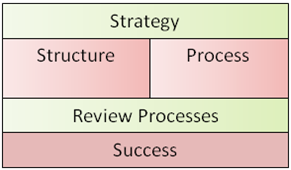
It is essential that all businesses provide the right structure and processes to support defined quality, service and performance standards. Getting this right should:
* Provide the basis for a happier work force;
* Translate to better service to clients and therefore more success financially; and
* Position the business to manage resulting growth.
By clearly defining positions within the organisation and incorporating the roles, responsibilities and performance standards, the business Structure will not only support the existing business, but also provide a road map for operating a much larger entity as the business grows.
Quality processes support the business structure by clearly defining performance standards for each role.
Together, we call this our Performance Management System.
YML Group can work with you to create a performance management system tailored to your needs by focusing on the financial and non-financial activities within your business. We identify key business drivers and roadblocks, aligning your business strategy with both short and long term activities. We develop structured activity processes, providing you with control, and direction to achieve your strategy. Our monitoring processes ensure that results are achieved and plans are realigned as needed.
YML Insight June 2015
From Your Trusted Accountant
What does the $20,000 small business immediate deduction in the recent budget really mean?
Since the 2015 budget announcement, we’ve received many questions about theimmediate write-off of assets less than $20,000 for small business (effective from 7.30pm on 12 May 2015 until 30 June 2017). To help you understand how this will work, we’ve outlined some key points to start from. Remember, YML Group can always offer assistance, tips, and tricks to best manage your small business.
The $20,000 immediate deduction means:
1. You need to be ‘in business’ with an annual turnover of less than $2 million to
qualify for this concession.
2. You can you claim the deduction on as many assets as you have purchased,
provided they are under $20,000 each.
3. Any assets valued at $20,000 or more will be added to the small business simplified
depreciation pool (“the pool”) and depreciated at 15% in the 1st year, and 30% each
year thereafter. As soon as the balance in “the pool” is less than $20,000, you can
claim an immediate deduction at the end of the year between 12 May 2015 and 30
June 2017.
4. All new and second hand assets are eligible for this concession. There are some
exceptions on certain assets, as listed below:
a. Horticultural plants
b. Capital works – subject to their own ‘capital works’ depreciation rules
c. Assets allocated to a low-value pool or software development pool
d. Primary production assets
e. Assets leased out to another party on a depreciating asset lease
5. If you are registered for GST, the GST exclusive amount is taken to be the cost of
the asset. If you are not registered for GST, then the GST inclusive amount is taken
to be the cost of the asset.
Last but not least:
This is a tax deduction for the business, not a tax refund. You will get a tax deduction for the expenditure on the asset; this should reduce the amount of tax payable, at your marginal tax rate. You won’t get back the $20,000 – you just save having to pay tax on that amount.
If you have any questions, please don’t hesitate to call our accountants at YML Group.
From Your Finance Specialist
As a business owner, what’s the best way to secure a loan?
Running a business, big or small, can be a complex undertaking. Juggling expectations, financial commitments, service standards, and a range of other constantly shifting priorities leaves many business owners with little time to attend to the smaller details. Like, loan conditions, for example. If you have an existing business loan you should check the interest rate on the loan.The best way to secure your loan is to borrow against your property at residential loan rates, which can be 1.5% cheaper than business loan rates. Your current loan, even though it may be secured by your property, may actually be at business loan rates.
At YML Group, we provide assistance in all aspects of securing or renegotiating financing or loans. We can arrange your business finance at home loan rates, save you money and help with your cash flow.
To learn more about how we can assist you with your business financing arrangements, call us for an appointment today.
From Your Financial Adviser
What do I need to consider when putting my Estate Plan in place?
Discussing the harsher realities of life such as an Estate Plan can be difficult. Many people avoid this topic and don’t have a current plan in place. Unfortunately, not having a plan can be devastating to family, and an incorrectly set-up plan can be very costly (taxed unnecessarily).
You need to plan your estate to ensure your assets are inherited, with as little tax impact as possible, by the people you want to receive them.
Your estate should be governed by your Will, which should be up-to-date, and correctly reflect your wishes. Even if you don’t have many assets, having a Will can save your beneficiaries, family and friends a lot of trouble and heartache.
Your Will needs to:
* Be drawn up by a reputable solicitor with your or your financial adviser’s input.·
* Appoint a Legal Representative or Executor who accepts the responsibility.
* Detail your assets and personal affects accurately – this makes it easier to
administer.
* Offer clear instructions for how you wish the assets/property/valuables
administered. ·
* Include your funeral arrangements – leaving instruction makes it easier for your
family to deal with.
* Consider organ donation – if that is what you wish to do.
* Be kept in a safe place but easily found if needed.
Superannuation death benefits may not be part of your Will
Unless you specifically chose to have your superannuation death benefits dealt with by your Legal Representative (therefore your Will), they will be administered by the trustees of your superannuation fund.
To avoid any confusion and complications you should consider giving a binding or non-lapsing death nomination to the trustee of your superannuation fund.
Power of Attorney
Another important element to your estate plan is to have a power of attorney in place. This legal document appoints another person to make legal and/or medical decisions on your behalf. It is particularly useful should something happen, such as a bad accident, where you are temporarily or permanently unable to sign documents.
Do you need a Testamentary Trust?
You most likely do if you have minor children or other dependants. This is a trust created in a person’s Will, which is activated upon the death of that person. Instead of assets passing directly from one person to another, the assets are passed to the Testamentary Trust and then administered by the designated trustee – usually a family member, a trustee company, accountant or solicitor.
Estate planning can be complex and it’s recommended you seek professional advice and assistance of both a financial adviser (who understands the intricacies of superannuation) and a solicitor experienced in such matters.
From Your Business Partner
How can I support quality, service, and performance in my small business?
If you don’t make the rules, people will make their own!
It’s truly surprising how many businesses that evolve from sole traders or micro businesses continue to grow solely on the back of the hard work of the principal. Many small business owners spend so much time working in their business, they leave themselves no time to work on their business. This means they do not find time to establish the quality, service and performance standards they require from others for continued success and growth in the business.
Most staff not only need, but also want, a guiding hand. Employees want to perform at an acceptable level and exceed expectations when possible; both for themselves and their employer. Failure by an employer to provide this guidance mean that staff may create their own standards, which are unlikely to align with those of the employer or the needs of the business and its clients.
It is essential that all businesses provide the right structure and processes to support defined quality, service and performance standards. Getting this right should:
* Provide the basis for a happier work force;
* Translate to better service to clients and therefore more success financially; and
* Position the business to manage resulting growth.
By clearly defining positions within the organisation and incorporating the roles, responsibilities and performance standards, the business Structure will not only support the existing business, but also provide a road map for operating a much larger entity as the business grows.
Quality processes support the business structure by clearly defining performance standards for each role.
Together, we call this our Performance Management System.
YML Group can work with you to create a performance management system tailored to your needs by focusing on the financial and non-financial activities within your business. We identify key business drivers and roadblocks, aligning your business strategy with both short and long term activities. We develop structured activity processes, providing you with control, and direction to achieve your strategy. Our monitoring processes ensure that results are achieved and plans are realigned as needed.
2015 Federal Budget Report
The Federal Treasurer, Mr Joe Hockey, handed down his second budget at 7.30pm (AEST) on Tuesday 12 May 2015.
In general, the budget is aimed at supporting small business and growing jobs ($5.5 billion including $5 billion of tax relief), supporting families ($4.4 billion funding boost), ensuring fairness of tax and benefits, national security and progressing budget repair in a measured way.
The full Budget papers are available at http://www.budget.gov.au/index.htm and the video can be watched athttps://www.youtube.com/watch?feature=player_embedded&v=g92lL1haUk8
Overview of the Budget
Small Business (Aggregated Annual Turnover less than $2 million)
- Small companies will have a 1.5% tax cut (from 30% to 28.5%) from 2015/2016 tax year.
- An unincorporated small business (ie: sole trader, partnership, trust) will receive a 5% tax discount on income earned from business activities from 1 July 2015. This discount is capped at $1,000 per individual for each income year and delivered as a tax offset.
- Immediate tax deductions for assets purchased and ready to use up to $20,000 from 12/5/2015 to 30 June 2017 (simplified depreciation rule applied).
- New start-ups will be able to claim an immediate deduction for professional expenses associated with the start of the business from the 2015/2016 year.
- From 1 April 2016, FBT exemptions will apply to work- related portable electronic devices (ie: laptop, mobile phone etc)
- Primary producers will be able to claim accelerated depreciation for water facilities, fodder storage and fencing from 1 July 2016.
Individual and families
- Changes to work related car expenses in 2015/16
- 12% original method and 1/3 actual expense method will be abolished
- Flat set rate of 66c per km for cent/ km method
- Log book method remains the same
- Working holiday maker will be treated as non-residents and taxed at 32.5% from 1 July 2016
- Medicare levy for low-income threshold changes from 1 July 2014
- Single- $20,896 ($20,542 for 2013/2014)
- Families- $35,261 and additional dependant will be an additional $3,238
- Seniors and pensioner- $33,044 ($32,279 for 2013/2014)
- No zone offset for fly in fly out employees
Family Package
- Child care system reform from 1 July 2017
- Annual household income up to $60,000 will be eligible for a subsidy of 85% of the actual cost paid, up to an hourly fee cap
- Annual household income of $165,000 will be eligible for a subsidy of 50%
- Annual household income of $180,000 and above, the child care subsidy will be capped at $10,000 per child per year
- From 1 July 2016, the existing parental leave pay (PLP) scheme, in addition to any employer- provided parental leave entitlement, will be removed.
The government will ensure that all primary carers would have access to parental leave payments that are at least equal to the maximum PLP benefits (currently 18 weeks at national min wages) - Family Tax Benefits (FTB) Part A large family supplement will cease from 1 July 2016
- From 1 Jan 2016, families will only be able to receive Family Tax Benefits (FTB) Part A for six weeks in a 12- month period while they are overseas.
Superannuation
- Early access to superannuation: people with a terminal medical condition, effective from 1 July 2015, can gain unrestricted tax- free access to their superannuation fund (must have two medical practitioner (including a specialist) certify that they are likely to die within one year).
Others
- Reversed charge rule for going concern and farmland sales mechanism will not proceed (remains at GST- free).
- GST compliance: Government will continue to provide funding of $265.5m over the next three years from 2016/2017 to promote the GST compliance.
- New multinational anti- avoidance rule to be introduced.

